
Anti-Fatigue Mats: Which Employees Benefit Most?
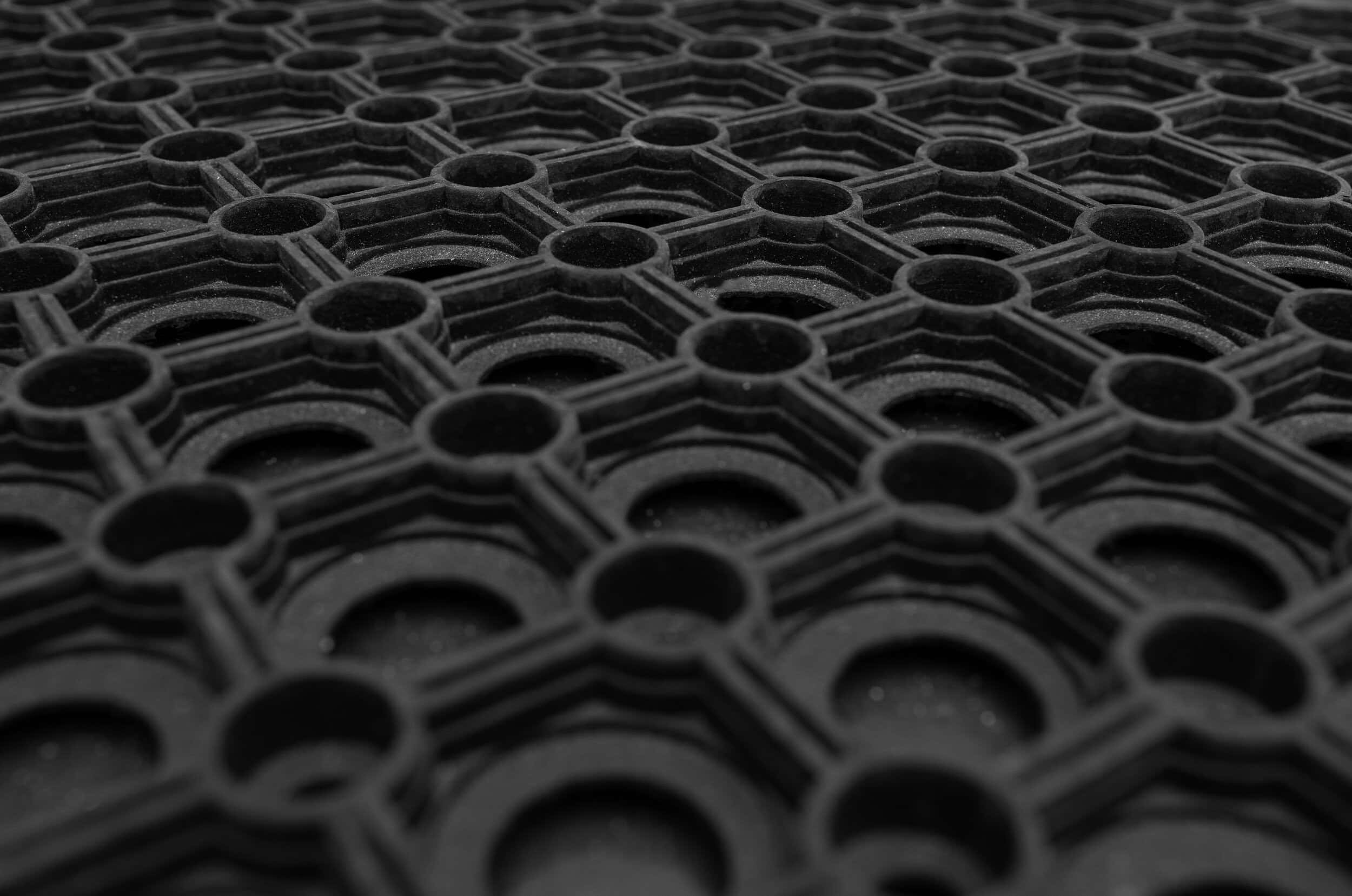
Standing is part of the job for millions of employees. Restaurant cooks spend hours at preparation stations, warehouse workers handle products at packing tables, and receptionists may remain behind a counter for much of their shift. Although these positions involve different responsibilities, they share one physical demand: extended periods on their feet.
Prolonged standing, particularly on hard surfaces, can contribute to discomfort in the feet, legs, and lower back. Employers often consider footwear and workstation height when addressing these concerns, but the surface beneath employees deserves attention too.
Commercial anti-fatigue mats provide a cushioned standing surface designed to improve comfort. However, deciding where to use them requires more thought than placing a mat wherever someone works.
Which Employees Spend the Most Time Standing?
Not every standing position requires the same approach. Employees who remain in a relatively fixed position for long periods may benefit more from anti-fatigue matting than those who regularly walk between work areas.
Several workplace roles are worth evaluating.
Restaurant Cooks and Food Preparation Staff
Commercial kitchens contain numerous workstations where employees stand while chopping ingredients, assembling dishes, or preparing orders.
Prep cooks may spend considerable time at one counter, while other kitchen employees move frequently between equipment and storage areas.
Anti-fatigue mats may be useful at designated standing stations, provided the selected product is appropriate for the kitchen environment.
Businesses should consider exposure to water, grease, cleaning chemicals, and heat when evaluating mat suitability. A mat intended for a dry office would not automatically be appropriate beside commercial cooking equipment.
Warehouse Packing and Sorting Employees
Packing tables, labeling stations, and sorting areas often require workers to stand in one location while performing repetitive tasks.
These positions can involve extended periods on hard concrete flooring, particularly during busy production or shipping periods.
An anti-fatigue mat may provide additional cushioning beneath employees who spend substantial time at these stations. OSHA’s ergonomics guidance notes that standing continuously in one position causes muscle fatigue, that hard surfaces such as concrete can cause foot pain, and lists anti-fatigue mats among its recommended solutions.
However, placement must account for nearby carts, pallet jacks, and other equipment. Mats should not obstruct material movement or create uneven transitions along frequently traveled routes. The same OSHA guidance points out that pushing loads across uneven or damaged surfaces takes significantly more force, which is why smooth, clear travel paths matter.
Receptionists and Front Counter Employees
Reception areas are another workplace where prolonged standing can be overlooked.
Employees at hotel reception desks, retail service counters, and customer check-in stations may alternate between sitting and standing throughout the day.
Where standing is a regular requirement, anti-fatigue matting can provide a more comfortable surface.
For customer-facing areas, businesses should also consider appearance, available floor space, and whether the mat remains securely positioned behind the counter.
What Makes One Workstation Different From Another?
The right mat depends on more than an employee’s job title.
Before selecting commercial anti-fatigue mats, facility managers should examine several practical details:
- Standing duration: How long does the employee typically remain at the workstation?
- Floor surface: Is the employee standing on concrete, tile, or another hard material?
- Movement: Does the position involve standing relatively still or frequent walking?
- Workplace conditions: Will the mat encounter moisture, grease, or cleaning chemicals?
- Equipment access: Could the mat interfere with carts, chairs, or other workplace equipment?
- Available space: Does the workstation allow enough room for the mat to sit securely?
These considerations help businesses distinguish between locations where cushioning may be beneficial and areas where another flooring solution would be more appropriate.
Anti-Fatigue Mats Are Only Part of Workstation Design
A cushioned surface cannot correct every issue associated with prolonged standing.
Workstation height, footwear, opportunities to change position, and scheduled breaks also influence employee comfort. A poorly positioned counter, for example, may still cause discomfort even when an employee stands on a suitable mat.
Businesses should therefore evaluate anti-fatigue matting alongside other ergonomic considerations.
Employees can also provide useful feedback. Asking where discomfort develops during a shift may help managers identify workstations that deserve closer examination.
Consider the Employees Behind the Counter
The best place for an anti-fatigue mat is not necessarily the busiest part of a building. It is a workstation where standing demands, floor conditions, and available space make cushioning appropriate.
Economy Linen & Towel Service offers anti-fatigue mats as part of our commercial floor mat rental selection. Our team works with businesses to identify suitable mat options based on their facilities and requirements.
If your employees regularly work on hard flooring, contact Economy Linen & Towel Service to discuss whether commercial anti-fatigue mats would be appropriate for their workstations.