
Is Your Facility Using the Right Soap and Dispenser Combination?
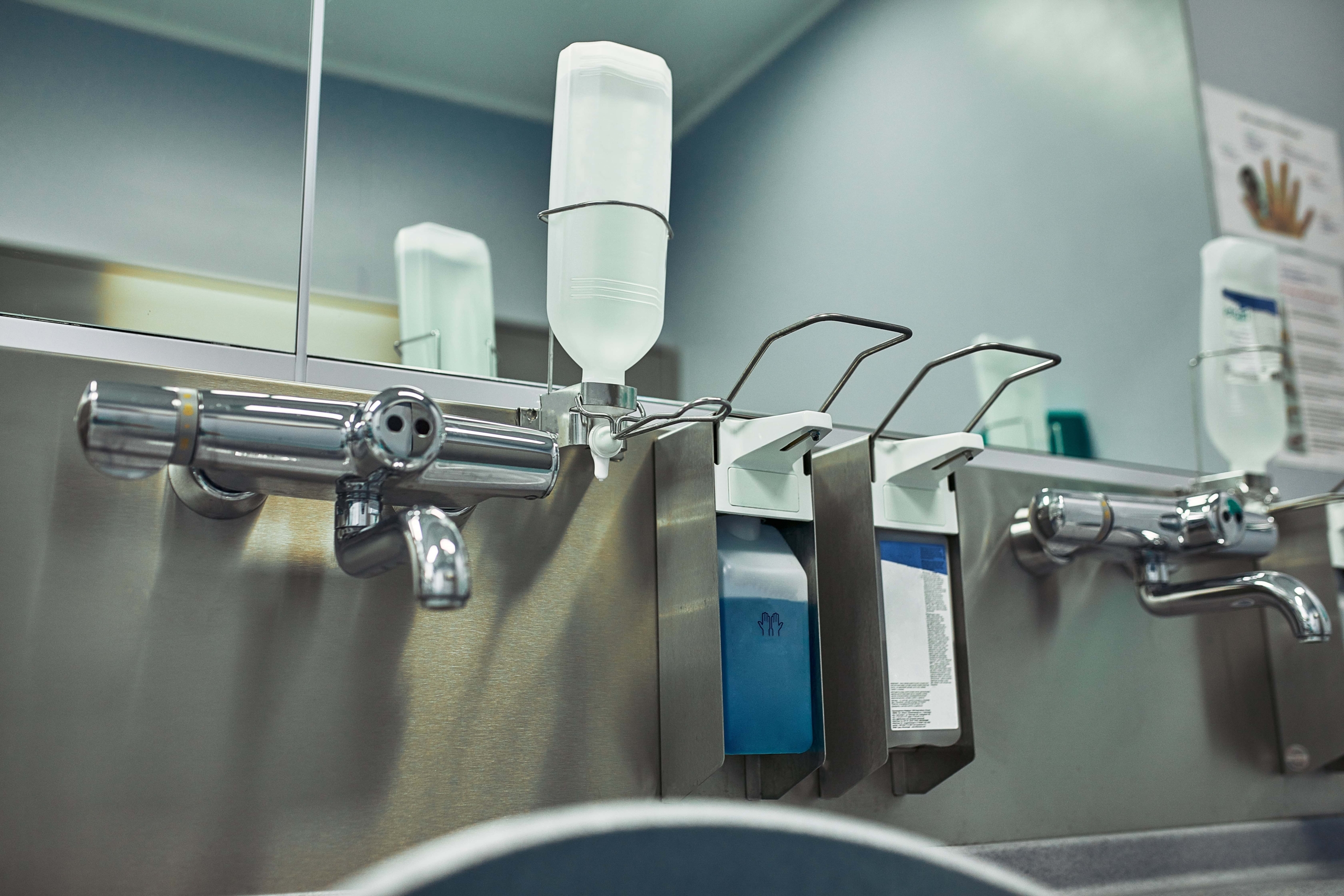
Buying commercial hand soap sounds straightforward until you consider where it will be used. The product needed beside a restaurant handwashing station may be different from what makes sense in an industrial facility, locker room, or public restroom. The dispenser matters too. Placement, traffic, refill needs, and how employees or visitors use the space should all factor into the decision.
Economy Linen & Towel Service, through Premier Janitorial, offers several soap and hygiene products for commercial facilities. Instead of choosing a product based on familiarity alone, businesses can consider what each handwashing area needs to handle.
1. General Lotion Soap: A Practical Choice for Everyday Handwashing
Consider it for: Employee and public restrooms with routine handwashing needs.
Economy offers general lotion soap for everyday use. For many facilities, this is the logical place to start when a handwashing area does not require a more specialized product.
Select the dispenser with usage in mind. A restroom serving a small office may have relatively predictable demand, while a public restroom in a busy business can experience much heavier traffic.
Managers should consider:
- How many people use the restroom each day?
- How frequently does the dispenser currently require attention?
- Is it conveniently positioned near the sink?
- Who is responsible for checking and replenishing it?
The answers help determine whether the current setup suits the location.
2. Foam Soap: Consider Traffic Along With the Product
Consider it for: Commercial restrooms and other frequently used handwashing areas.
Economy lists foam as one of its available commercial soap options and specifically identifies lotion or foam soap among its restroom products.
When evaluating foam soap, don’t stop at the product itself. Think about how often that particular station is used. The busiest restroom in a building may need a different replenishment plan than a secondary employee restroom, even if both use the same soap.
The CDC recommends that employers provide accessible sinks, soap, water, and a way to dry hands as a baseline expectation for supporting handwashing, which points to keeping supplies consistently available as a core part of hygiene planning, not just having the right product on hand.
This is where actual usage patterns become useful. If one dispenser repeatedly needs attention before the others, its location or supply arrangement deserves another look.
3. E2 Food-Service Soap: Match the Product to the Work Environment
Consider it for: Food-service applications.
Premier Janitorial specifically offers E2 soap rated for food service. This gives restaurants, cafeterias, and other food-service operations an option intended for that environment.
Placement becomes especially important here. Businesses should identify designated handwashing locations and ensure the appropriate product is available where employees need it.
Economy also serves cafeterias with hand soap, hand-sanitizing stations, towels, aprons, mops, and other facility products, allowing businesses to address multiple operational needs through the same provider.
4. Industrial Soap: Account for Tougher Soils
Consider it for: Industrial settings where employees encounter grease and heavier soils.
A standard restroom setup may not address every handwashing need in an industrial operation. Premier Janitorial offers industrial-grade soaps designed to cut through grease.
These products should be located where the work occurs. If employees regularly need to remove heavier soils, keeping the appropriate soap conveniently accessible makes more sense than expecting one general-purpose setup to cover every area of the building.
5. Hair & Body Products: Think Beyond the Restroom Sink
Consider it for: Gyms and locker rooms.
Premier Janitorial also carries hair-and-body products for facilities with showers and changing areas.
These spaces introduce a different dispenser question because the product is being used differently than hand soap at a sink. Facility managers should evaluate where dispensers are installed, how heavily shower areas are used, and how frequently products need replenishment.
6. Hands-Free Dispensers: Another Option for the Facility
Consider them for: Businesses looking for dispensing without direct contact with the unit.
Economy offers hands-free dispensers as part of its hygiene product selection. That gives businesses another option when evaluating how soap or hygiene products are accessed within the facility.
The CDC notes that alcohol-based hand sanitizer is easier to use during care activities such as moving between patients or between soiled and clean tasks, since it requires less setup than a sink and soap, which is part of why touch-free and low-contact dispensing options have become more common in shared facility spaces.
The best choice still depends on the setting. Instead of installing the same dispenser everywhere, consider traffic, location, product requirements, and refill frequency for each area.
Take Another Look at What’s Beside the Sink
No single commercial hand soap setup makes sense for every part of a business. A public restroom, food-service area, industrial workspace, and locker room can have very different requirements.
Economy Linen & Towel Service and Premier Janitorial provide commercial soaps, hygiene products, hands-free dispensers, paper products, air fresheners, and other facility supplies.
If your current soap and dispenser setup no longer matches how your facility operates, contact Economy Linen & Towel Service to discuss the products that fit your business.